Autism rates in US rise again to 1 in 31 kids, CDC says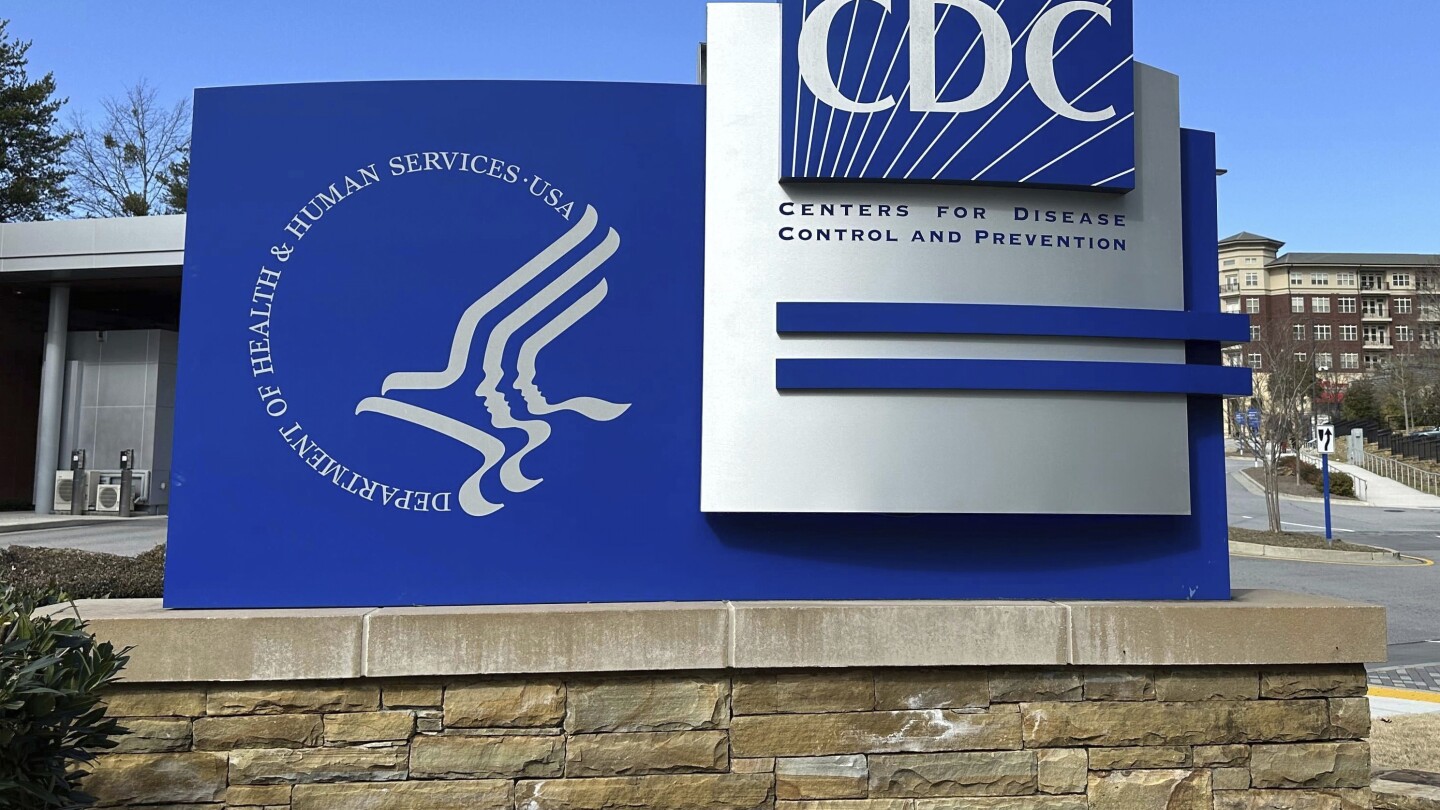 A sign stands at an entrance to the main campus of the Center for Disease Control and Prevention (CDC) in Atlanta, Georgia, Friday, Feb. 14, 2025. (AP Photo/Jeff Amy, File)
2025-04-15T18:38:55Z
ATLANTA (AP) — An estimated 1 in 31 U.S. children have data-gtm-enhancement-style="LinkEnhancementA" href="https://apnews.com/article/adult-autism-diagnosis-spectrum-4babb9b0eea3335dddc93c35f7fcd913">autism, the U.S. Centers for Disease Control and Prevention reported Tuesday, marking data-gtm-enhancement-style="LinkEnhancementA" href="https://apnews.com/article/autism-rates-vaccines-trump-rfk-polio-4d1ef5bd69dc20533e95e8e34e0b1e86">another jump in a long string of increases.
The data-gtm-enhancement-style="LinkEnhancementA" href="https://www.cdc.gov/mmwr/volumes/74/ss/ss7402a1.htm?s_cid=ss7402a1_w" target="_blank" rel="noopener">CDC’s data was from 14 states and Puerto Rico in 2022. The previous estimate — from 2020 — was 1 in 36.
data-gtm-enhancement-style="LinkEnhancementA" href="https://apnews.com/article/autism-tennis-jenson-brooksby-55fd36df73bfe3a429b959cb8efd399c">Boys continue to be diagnosed more than girls, and the highest rates are data-gtm-enhancement-style="LinkEnhancementA" href="https://apnews.com/video/bella-ramsey-on-sharing-autism-diagnosis-its-just-part-of-who-i-am-8efe3092914d420aba6def8a0231eca4">among children who are Asian/Pacific Islander, American Indian/Alaska Native and Black.
To estimate data-gtm-enhancement-style="LinkEnhancementA" href="https://apnews.com/article/profound-autism-rate-us-bc21057fabe11774843d4ac2197956a4">how common autism is, the CDC checked health and school records for 8-year-olds, because most cases are diagnosed by that age. Other researchers have their own estimates, but experts say the CDC’s estimate is the most rigorous and the gold standard.
Here’s what you need to know about the new numbers, as well as data-gtm-enhancement-style="LinkEnhancementA" href="https://apnews.com/article/autism-kennedy-trump-vaccines-rfk-jr-cdc-b66251888f039c80b15beda23c279d5b">Health Secretary Robert F. Kennedy Jr.'s plan to do a “massive testing and research effort” around autism.
What is autism?
Autism is a developmental disability caused by differences in the brain. There are many possible symptoms, many of which overlap with other diagnoses. They can include delays in language and learning, social and emotional withdrawal and an unusual need for routine.
For decades, the diagnosis was rare, given only to kids with severe problems communicating or socializing and those with unusual, repetitive behaviors.
As late as the early 1990s, only 1 in 10,000 children were diagnosed with autism. Around that time, the term became a shorthand for a group of milder, related conditions known as ?autism spectrum disorders,” and the number of kids labeled as having some form of autism began to balloon.
In the first decade of this century, the estimate rose to 1 in 150. In 2018, it was 1 in 44. In 2020, it was up to 1 in 36.
Why are autism numbers rising?
Health officials largely attribute growing autism numbers to better recognition of cases through wide screening and better diagnosis.
There are no blood or biologic tests for autism. It’s diagnosed by making judgments about a child’s behavior, and there’s been an explosion in autism-related treatment and services for children.
Roughly two decades ago, studies by the CDC and others ruled out childhood vaccines as a cause of autism. Since then, a lot of research has looked at variety of other possible explanations, including genetics, the age of the father, the weight of the mother and whether she had diabetes and exposure to certain chemicals.
Some researchers have theorized it may be a series of things — perhaps a biological predisposition set off by some sort of toxic exposure.
Vaccines and autism
Kennedy and anti-vaccine advocates have remained fixated on childhood vaccines, pointing at a preservative called thimerosal that is no longer in most childhood vaccines or theorizing that autism may be the cumulative effect of multiple vaccinations. A number of studies, including some with CDC authors, have not found such links.
Last week, Kennedy said HHS was launching “a massive testing and research effort that’s going to involve hundreds of scientists from around the world” and identify data-gtm-enhancement-style="LinkEnhancementA" href="https://apnews.com/article/autism-kennedy-trump-vaccines-rfk-jr-cdc-b66251888f039c80b15beda23c279d5b">what causes autism in less than six months. He also promised “we’ll be able to eliminate those exposures.”
Kennedy and President Donald Trump both referred to the 1-in-31 estimate that CDC released Tuesday during last week’s White House meeting, and Kennedy also repeated the statistic at a meeting with FDA officials on Friday,
Kennedy’s statement followed reports that he had hired David Geier, a man who has repeatedly claimed a link between vaccines and autism, to lead the autism research effort. The hiring of Geier, whom Maryland found was practicing medicine on a child without a doctor’s license, was data-gtm-enhancement-style="LinkEnhancementA" href="https://www.washingtonpost.com/health/2025/03/25/vaccine-skeptic-hhs-rfk-immunization-autism/" target="_blank" rel="noopener">first reported by The Washington Post.
___
The Associated Press Health and Science Department receives support from the Howard Hughes Medical Institute’s Science and Educational Media Group and the Robert Wood Johnson Foundation. The AP is solely responsible for all content.
Source:
Autism rates in US rise again to 1 in 31 kids, CDC says


 Topic: Autism rates in US rise again to 1 in 31 kids, CDC says (Read 824 times)
 Similar topics (5)

 August 16, 2025, 08:31:35 AM